
Building Rural Workforce Stability with International Nurses
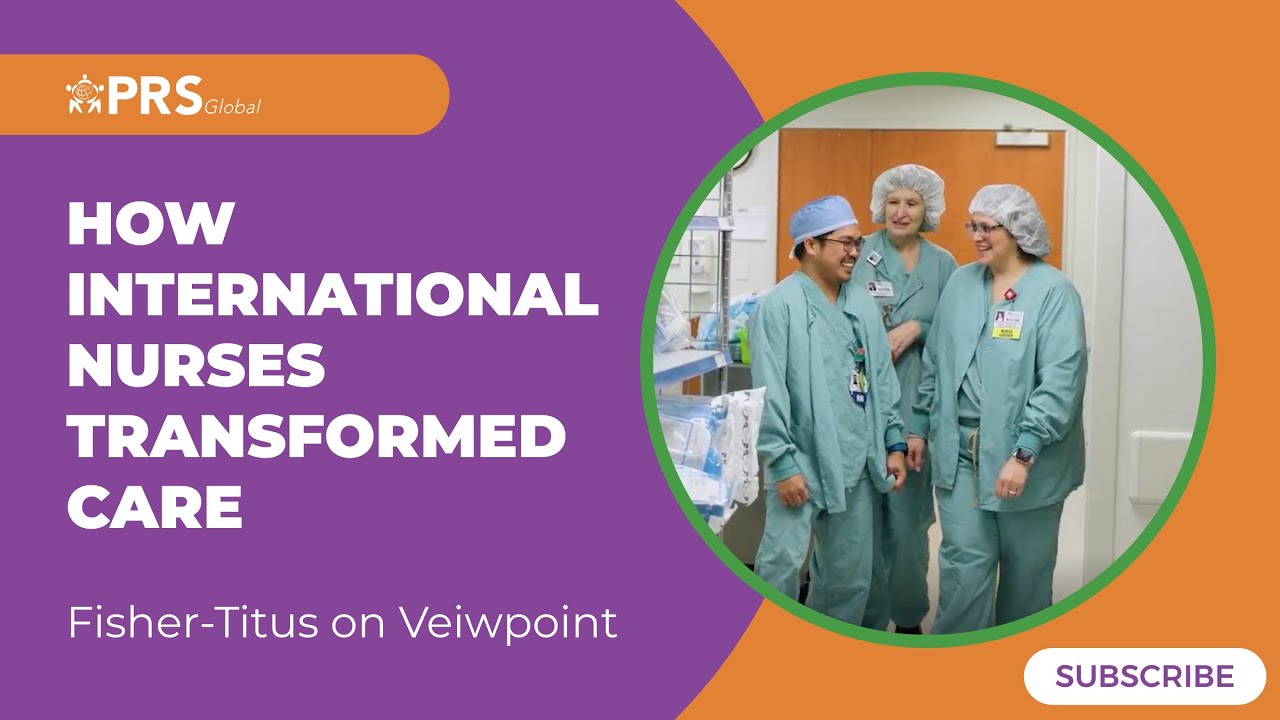
Rural healthcare leaders are navigating a workforce challenge that is structurally different from what large urban systems face. The talent pool is smaller and retirements hit harder when there are fewer experienced nurses to absorb the transition. When staffing becomes unstable, the consequences affect both the unit and the community.
For CNOs and CHROs at rural hospitals, the question is how to build a workforce that can hold over time.
Fisher-Titus Medical Center in Norwalk, Ohio found part of that answer in international direct hire. What Miriam Batke, Stacy Daniel, Alfons Letrondo, and Kara Murphy share in this video is that the value of this approach goes well beyond filling open positions.
The Experience Gap Is the Real Challenge
For rural hospitals, the staffing challenge is less about headcount and more about experience. When seasoned nurses retire, they take with them years of clinical judgment, institutional knowledge, and the capacity to precept the next generation of staff.
According to HRSA, nonmetropolitan communities are projected to face an 11 percent registered nurse shortage by 2038. That's nearly six times the shortage projected in metropolitan areas.1 But the experience gap behind that shortage is what makes the challenge harder to close through domestic pipelines alone.
Internationally educated nurses arrive with an average of six years of clinical experience. They are generally experienced clinicians who can step into preceptor roles, support unit stability, and help newer nurses develop the judgment that takes years to build.
What It Looks Like When It Works
Alfons Letrondo came to Norwalk from the Philippines with his wife and a clear sense of what he was hoping to build: a career, a home, a life. Two years later, he and his family are part of the community. Their son Maui was born here. They own a home with a garden and a yard.
That is the workforce story.
When internationally educated nurses are matched well to the right organization, welcomed into the community, and supported through the transition, they stay. They build relationships with colleagues, patients, and the town around them. Fisher-Titus invested in community mentors to support that integration, creating connections outside the hospital that helped nurses feel genuinely at home.
PRS Global's matching approach made that possible. Rather than placing nurses based on clinical credentials alone, PRS works to understand both what the hospital needs and who the nurse is: what kind of community they are hoping to join, what their family will need, what long-term success looks like for them personally.
"We take more of a matching approach than a recruiting approach. We find out what the hospital's needing, but we also find out a lot about the nurse." — Kara Murphy, President, PRS Global
What Rural Healthcare Leaders Can Take from This
The Fisher-Titus story is not about a program that solved a staffing problem. It's really about a leadership decision to build a more stable, more experienced workforce over time, and to welcome the people who would become part of it.
For rural CNOs and CHROs facing similar pressures, the takeaway is about what’s required: a genuine commitment to matching, integration, and belonging. When those conditions are in place, the workforce benefits are real, and so is the impact on the communities these hospitals serve.
Watch the Full Series.
This is the first video in the Viewpoint series featuring PRS Global and Fisher-Titus Medical Center — seven conversations with healthcare leaders and internationally educated nurses about what this work looks like in practice.
See the full series here.
If your organization is thinking about international direct hire as part of a longer-term rural workforce strategy, PRS Global can help you understand what it takes to build a program that supports both nurses and the communities they join.
Reference
- “Health Workforce Projections.” Health Resources and Services Administration, 11 Dec. 2025, https://bhw.hrsa.gov/data-research/projecting-health-workforce-supply-demand